You file an auto glass claim. Your phone rings. The rep says, ‘We’ll set you up with our preferred shop.’ Suddenly, your choice is gone—unless you know the playbook.
Let’s clear the fog on insurer steering, Washington’s rules, and what it really takes to keep control of your auto glass repair. The chains have their script. Here’s yours.
Steering: The Quiet Hand Pushing You to Chains
Picture this: You call your insurance carrier about a busted windshield on your Sprinter van in Spokane. Before you can say ‘chip repair,’ the claims adjuster is dropping a familiar name—usually Safelite or another national chain. It’s not an accident. Over 60% of U.S. drivers report being nudged toward a specific provider during claims processing (GlassBYTEs, 2023).
The rationale? Some insurers have cozy contracts that promise lower costs and fast billing—but rarely mention what you might lose in the process.
What does steering really cost you? For starters, personalized service takes a hit. National chains operate at scale, not on your street. If you own an RV or manage a fleet, chain shops often don’t have the time—or the glass inventory—to handle rare or specialty jobs fast. And when it comes to ADAS recalibration (those lane-keep and collision cameras behind your windshield), mass-market shops are notorious for skipping steps or farming it out. The result? A job that checks the box for insurance but leaves your tech—and safety—half-baked.
- Over 60% of U.S. drivers report insurer steering during auto glass claims
- National chains prioritize volume and contracts over individual needs
- Specialty vehicles and ADAS tech often get shortchanged by big shops
Washington State Law: Your Choice Isn’t Optional—It’s Protected
Most drivers don’t realize Washington has their back here. RCW 48.30.320 spells it out: Insurers can’t require you to use a particular shop. You can choose any licensed glass repair facility. If your insurer tries to suggest otherwise, they’re out of bounds—not you.
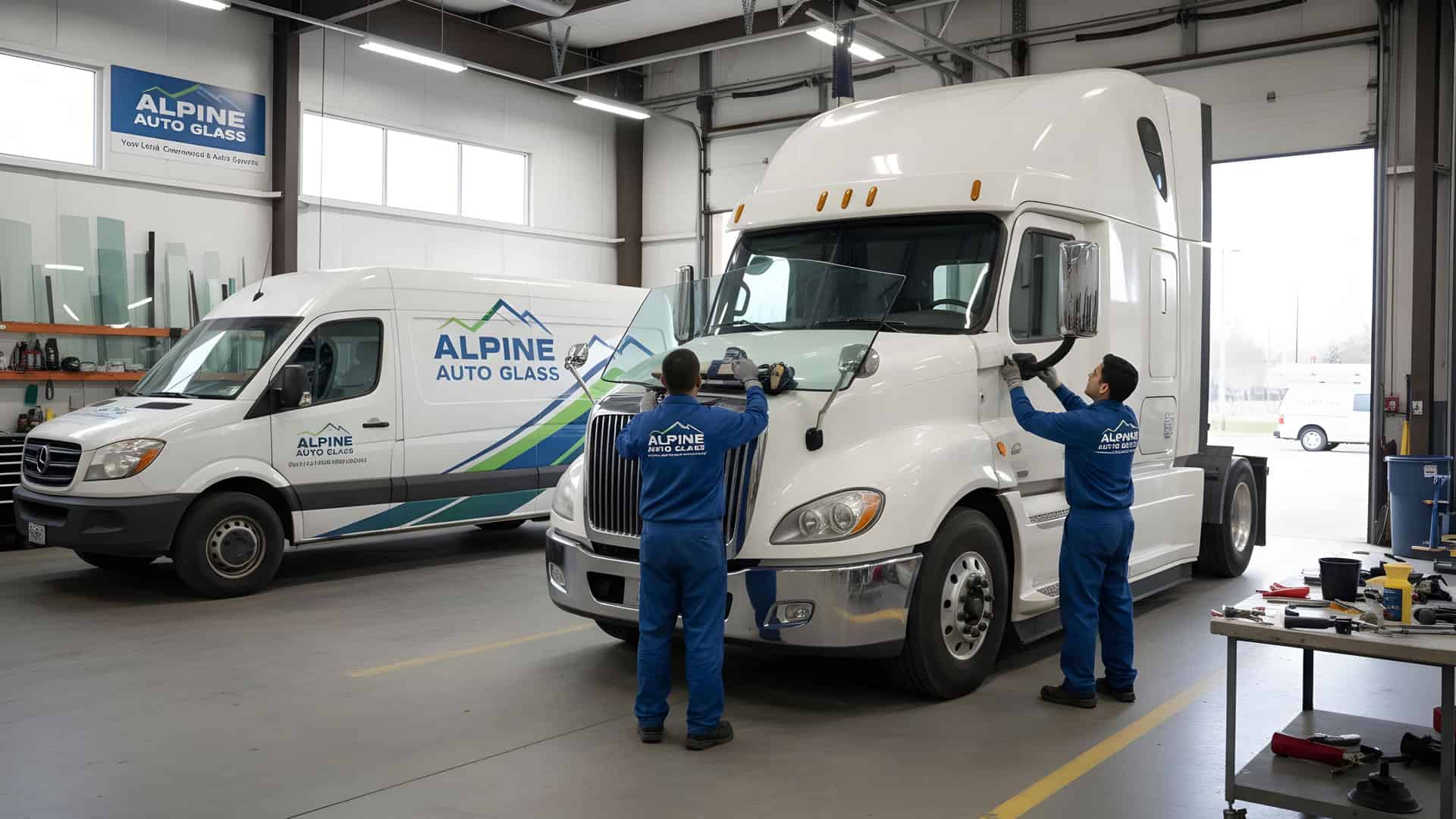
Washington’s Office of the Insurance Commissioner puts it bluntly: You can’t be penalized for saying no to the chain shop. That means no extra fees, no slow-rolling your claim, and no scare tactics about warranty coverage. Local shops like Alpine Auto Glass will even handle the paperwork—direct billing, claim forms, all of it—so you’re not stuck in the middle.
If a rep pushes back? Ask them to cite the law. Watch how fast the script changes. It’s like flipping off autopilot and getting your steering wheel back.
- Washington law prohibits insurers from forcing shop choice (RCW 48.30.320)
- Consumers can’t be penalized for using independent or local shops
Real Cost of Chain Steering: Missed Calibrations, Missed Connections
Here’s where things get technical—and expensive if ignored. Over 40% of new vehicles on the road require ADAS camera recalibration when the windshield is replaced (CCC Crash Course Report, 2024). That’s not just a line item; it’s a make-or-break for safety features like lane keeping and adaptive cruise control.
Many big-box chains treat recalibration as optional or send your vehicle out to a third party with little follow-up. If the sensors are off by even a millimeter, your car’s ‘eyes’ don’t see straight—and neither do the insurance algorithms that set your rates after a crash. Independent shops with OEM-spec gear (the kind Alpine runs) close that gap, recalibrating on site and backing it with a lifetime workmanship warranty.
For RV owners and fleet managers, local shops are better equipped to track down discontinued or custom-curved glass, something national chains rarely handle without weeks-long delays.
The difference between a job done and a job done right? It isn’t subtle when you’re staring through warped aftermarket glass at 70 mph on I-90.
Keep Control: The Auto Glass Claims Playbook in Action
If you want to avoid getting railroaded by insurer steering, here’s how you do it in Washington—no legalese required.
First, start your claim with clarity: Tell your insurer upfront you’ve chosen a shop—name it. Don’t ask for recommendations unless you want to be funneled toward a chain. Second, if they try to steer you elsewhere or hint at higher costs, cite RCW 48.30.320 and remind them local shops direct-bill insurance with zero markups (Alpine’s specialty). Finally, insist on complete ADAS recalibration if your vehicle needs it. Ask for proof. If they can’t show OEM-spec results, they’re cutting corners.
Smart drivers are doing their homework before there’s glass on the carpet. Search trends show more folks looking up ‘choose my own auto glass shop’ and ‘ADAS recalibration windshield’ every month—proof that knowledge is power in this market.
Why Local Beats Chain: Satisfaction by the Numbers
Still think all glass repairs are created equal? J.D. Power’s 2023 Auto Claims Satisfaction Study puts numbers on it: Independent shops score 18% higher on customer satisfaction than national chains when it comes to auto glass repair (J.D. Power). That gap widens for RV owners and commercial fleets—groups who can’t afford downtime or generic solutions.
Alpine Auto Glass leans into this advantage: zero markup mobile service within Spokane and surrounding counties (no convenience fees), direct insurance billing, and a lifetime workmanship warranty that covers both glass and calibration work. No call centers; techs answer their own phones and roll out same-day if you call before 2 PM. You get a name you can Google, not just a chain store number.
Here’s the bottom line: Insurer steering isn’t just annoying—it costs you time, safety, and satisfaction. In Washington, you hold the pen on where your claim goes next. Learn the rules, use them, and pick a shop with real skin in the game.
If you want direct answers—not scripts—call Alpine Auto Glass. Spokane roots, statewide reach, and zero patience for getting railroaded by anyone’s corporate playbook.
Ready to take control of your next claim? Call Alpine Auto Glass today or get a same-day quote online—before your insurer tries to run interference.