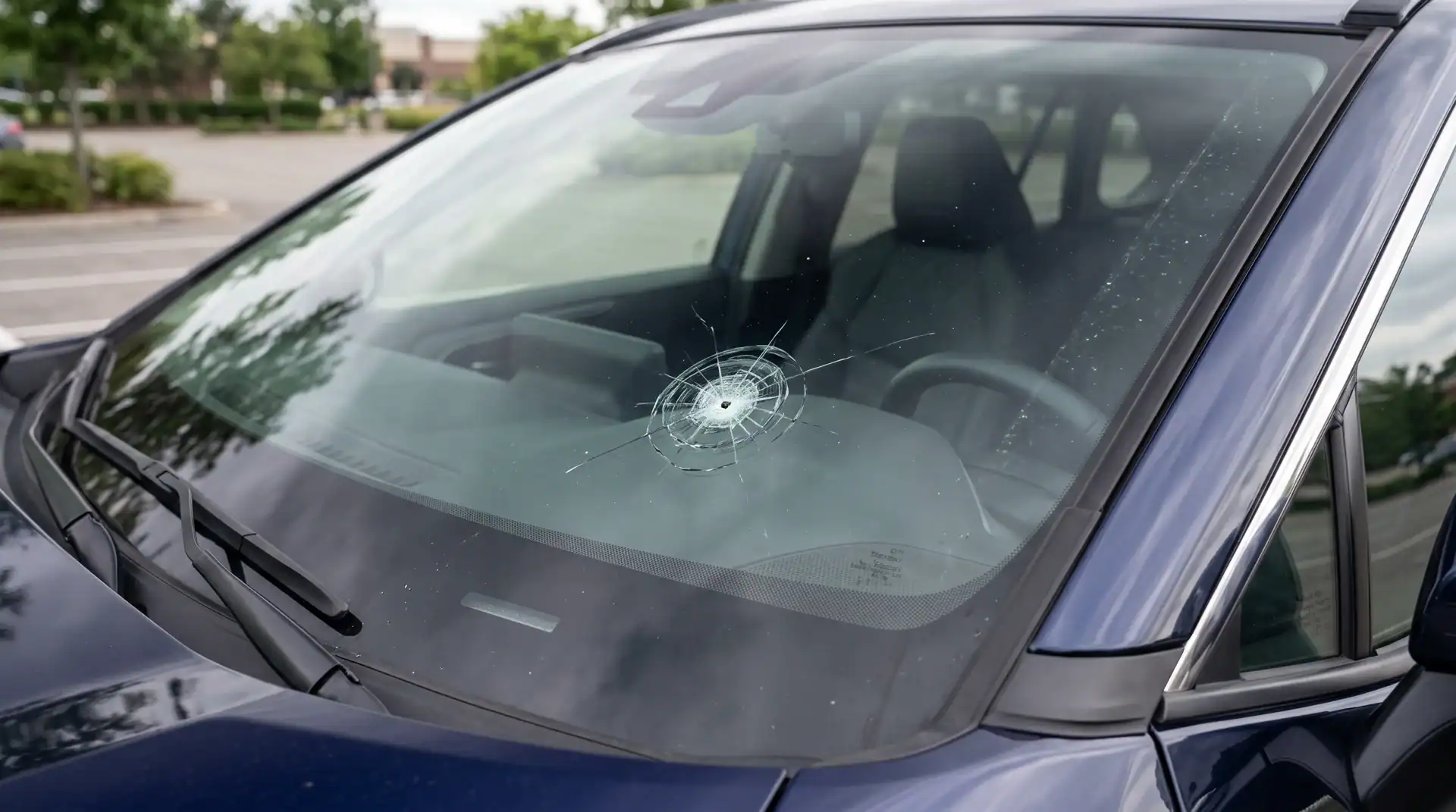
Most drivers look at a cracked windshield and talk themselves out of filing a claim. Rate hikes. Paperwork. The vague sense that the insurance company will make things painful.
The mental math never adds up — and meanwhile, the crack spreads.
Here’s what the math actually looks like: in Washington state, a glass claim through comprehensive coverage is almost always free or close to it.
Skipping the claim means paying $250–$450 out of pocket for something you already bought insurance for. That’s a bad trade.
The Expensive Part Is Guessing
The question is not really whether a windshield claim is worth filing. The question is whether skipping the claim gives you any upside.
Most of the time, it does not. If the damage is covered under comprehensive insurance, the carrier may pay for the repair, apply a lower glass deductible, or at least confirm the real out-of-pocket number before the work starts. If you never check, you are making a pricing decision with half the information missing.
That is the part that burns people. Not the crack. The assumption.
The Real Math Changes Once Calibration Enters
A cracked windshield used to be mostly a glass problem. On newer vehicles, it’s often a camera problem too.
If your vehicle has lane keep assist, forward collision warning, adaptive cruise, automatic emergency braking, or a forward-facing camera mounted near the rearview mirror, windshield replacement will probably require ADAS recalibration. That calibration is not decorative. The camera reads the road through your windshield, and a new piece of glass shifts its reference point.
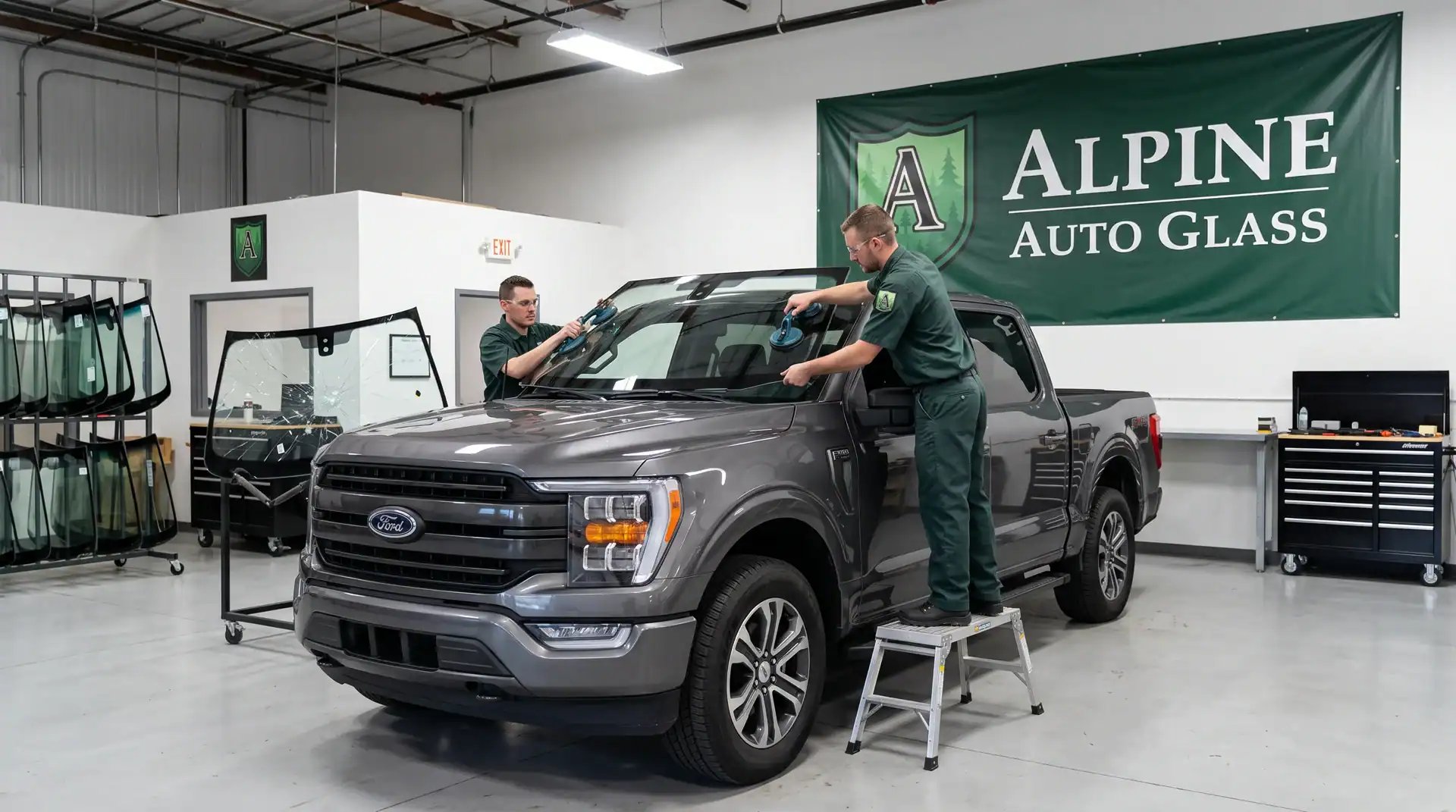
This is where cash pricing can get misleading. A driver may compare the cost of glass only and think the claim is not worth it. But the real job may include glass, labor, urethane, moldings, mobile service, and calibration. On a modern work truck or service van, that gap can be the difference between a manageable claim and a surprise bill.
We would not decide based on the windshield alone unless the vehicle is old enough that calibration is clearly not required. For post-2018 vehicles, the first question should be whether there is a forward camera. If there is, the insurance claim becomes more important, not less.
The Five Minute Claim Is the Filter
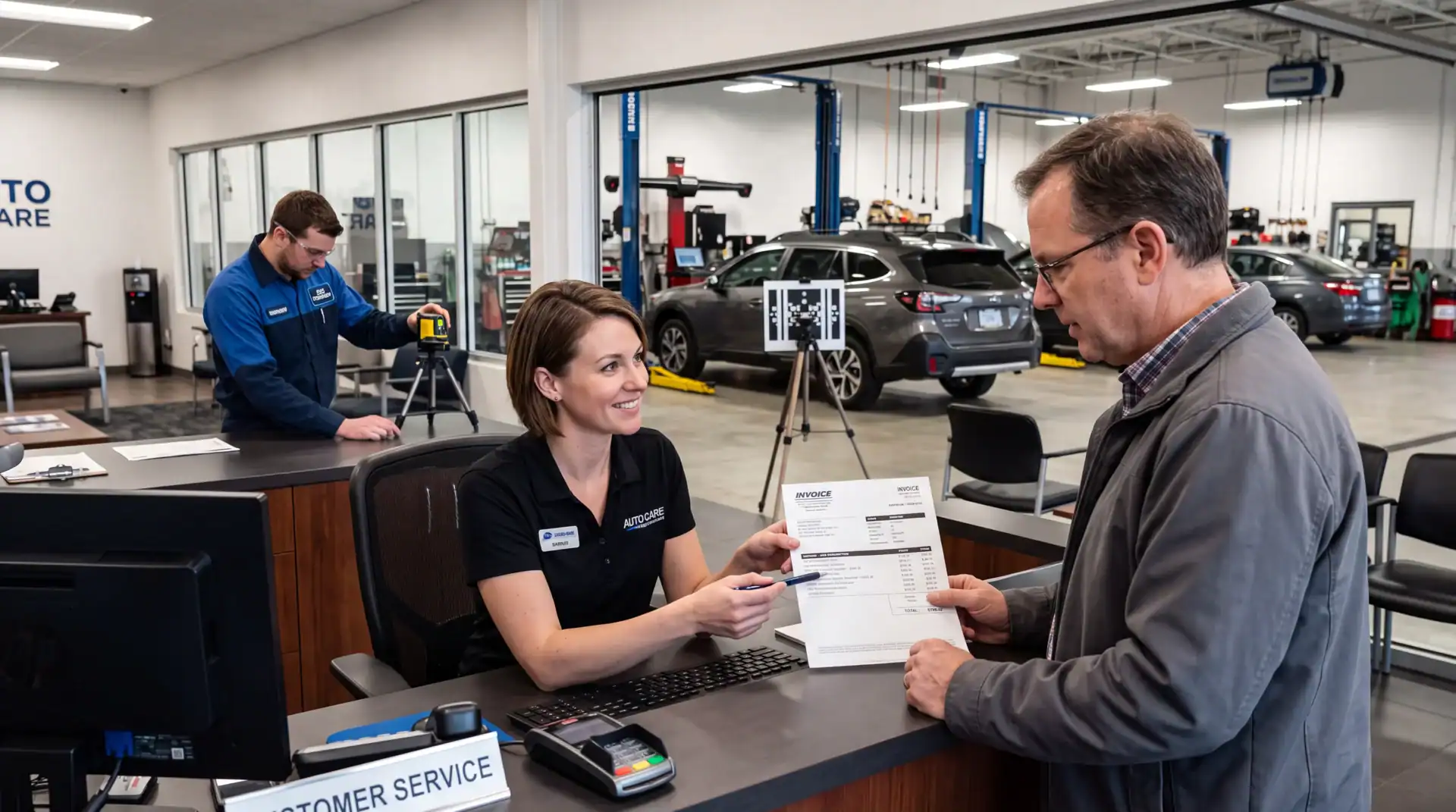
The claim process should not become a second job. If it does, the shop is making the customer carry work that should be handled for them.
A clean windshield claim usually requires basic information: the insurance carrier, policy details, vehicle year, make, model, VIN (if available), and a few details about the damage. From there, coverage can often be verified quickly, and the shop can tell you whether the policy indicates repair, replacement, a deductible payment, or direct billing.
The Rate Hike Fear Doesn’t Hold Up
The single biggest reason drivers skip the claim is fear of a premium increase. That fear is almost never justified for a glass-only claim.
Comprehensive claims — particularly single glass claims — are not-at-fault events. You didn’t cause them. Insurers classify comprehensive claims in a separate risk bucket from collision claims, and a standalone glass claim carries very little actuarial weight. In Washington, filing a single comprehensive glass claim during a policy period is unlikely to affect your renewal premium. You’d have to look hard to find a case where it did.
Comprehensive Coverage and What Washington Actually Says
Glass claims don’t go through your collision coverage — they go through comprehensive, which covers non-collision damage: hail, road debris, vandalism, that gravel truck on I-90. The distinction matters because comprehensive and collision carry separate deductibles and are treated differently by underwriters.
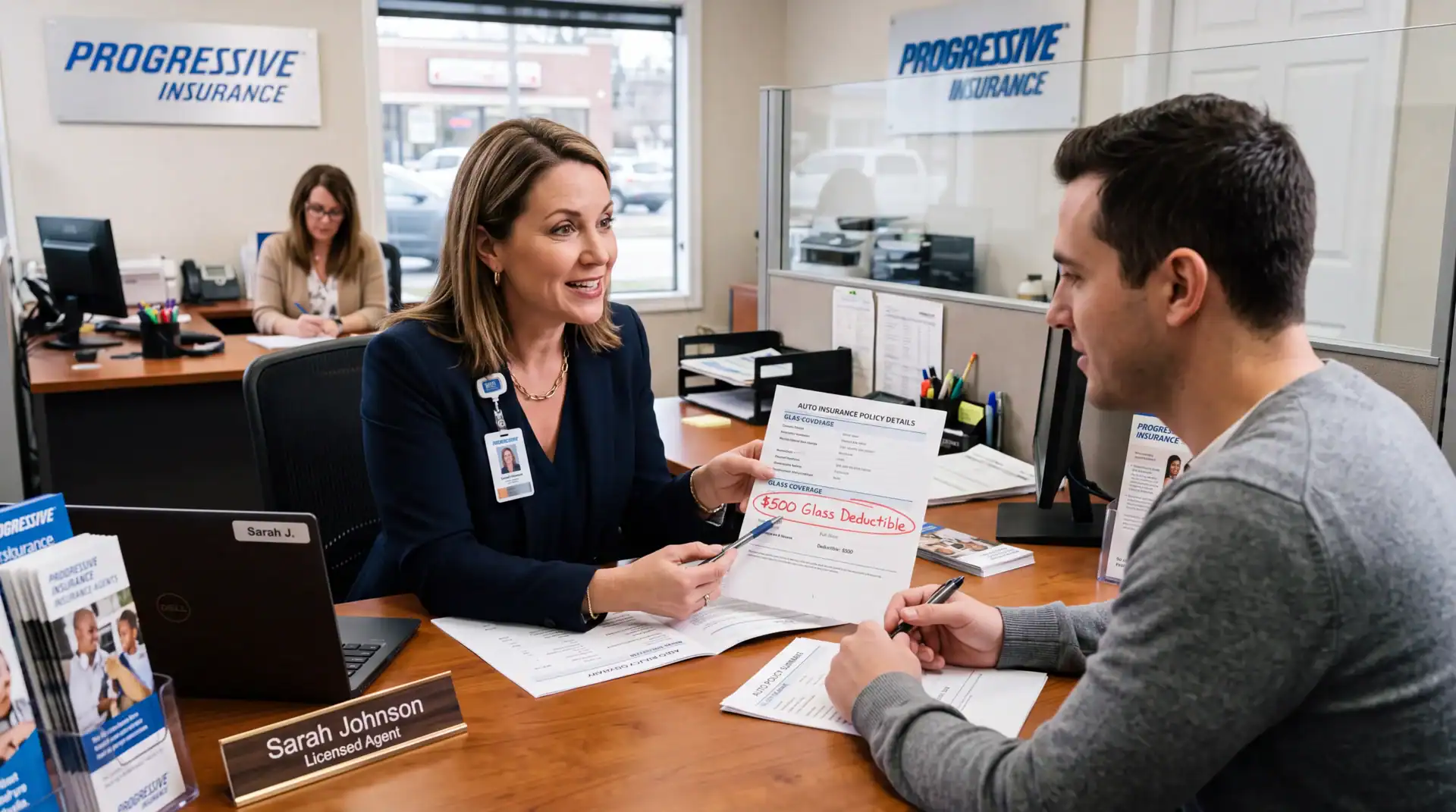
In Washington, your comprehensive deductible is what you’d pay on a replacement — typically $100 to $500, depending on the policy you chose when you enrolled. The average driver here carries a $250 comprehensive deductible. A standard windshield replacement without insurance runs $250 to $450 on most passenger vehicles. Once you add ADAS recalibration — required on any post-2018 vehicle with a forward-facing camera — that number climbs to $400–$600 or higher.
File First, Then Decide
The strongest move is boring, which is usually how good operations work.
If the windshield is cracked, file or verify the claim first. Do not authorize a cash replacement until the deductible, glass coverage, repair eligibility, and calibration requirements are clear. That one step gives you the real comparison, not the convenient one.
For most Spokane businesses, the math usually favors insurance because the downside is tiny and the upside is immediate. A covered chip repair may cost nothing out of pocket. A replacement may be reduced by coverage. A calibrated windshield job may be far more expensive than the first cash quote made it look.
Alpine makes the process simple because that is where the decision usually breaks. The claim takes minutes. The assumption can cost you hundreds.
Start with the number your policy actually gives you.
If you are pricing auto glass replacement in Spokane, start by checking coverage before approving a cash quote.