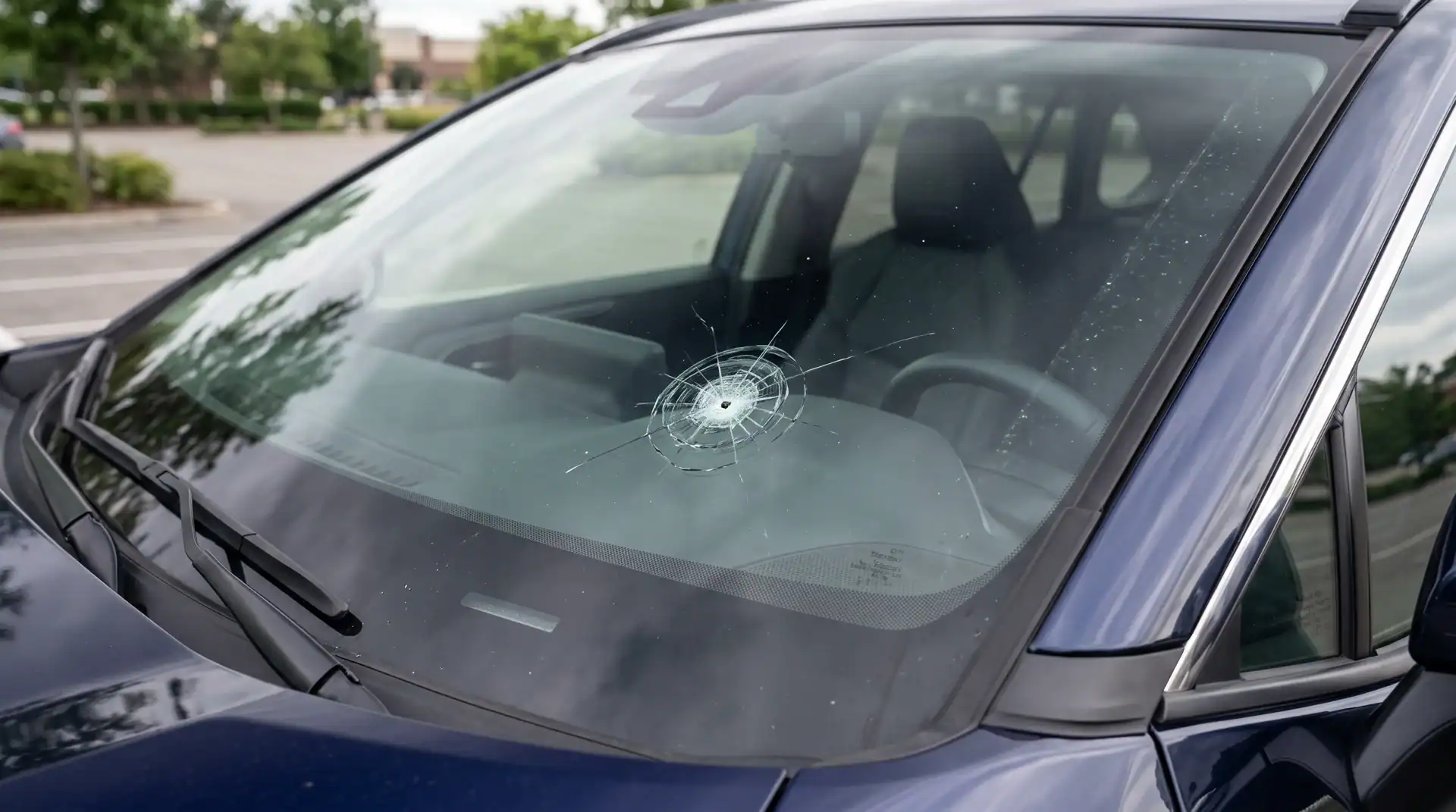
If you drive a vehicle built after 2018, windshield replacement is no longer just a glass job. It is a software job. But if you call around Spokane for a quote today, some shops will price it as if it were 2015.
They quote the glass, the molding, and the labor. What they deliberately leave out of the quote is the multi-day headache of getting your vehicle’s safety systems to actually work again.
The auto glass industry shifted permanently when Advanced Driver Assistance Systems became standard equipment on mid-market vehicles. Yet, the quoting mechanisms at most local shops have not caught up. They sell you a piece of glass, but they do not sell you a functioning vehicle.
The Mechanical Reality Of Modern Windshields
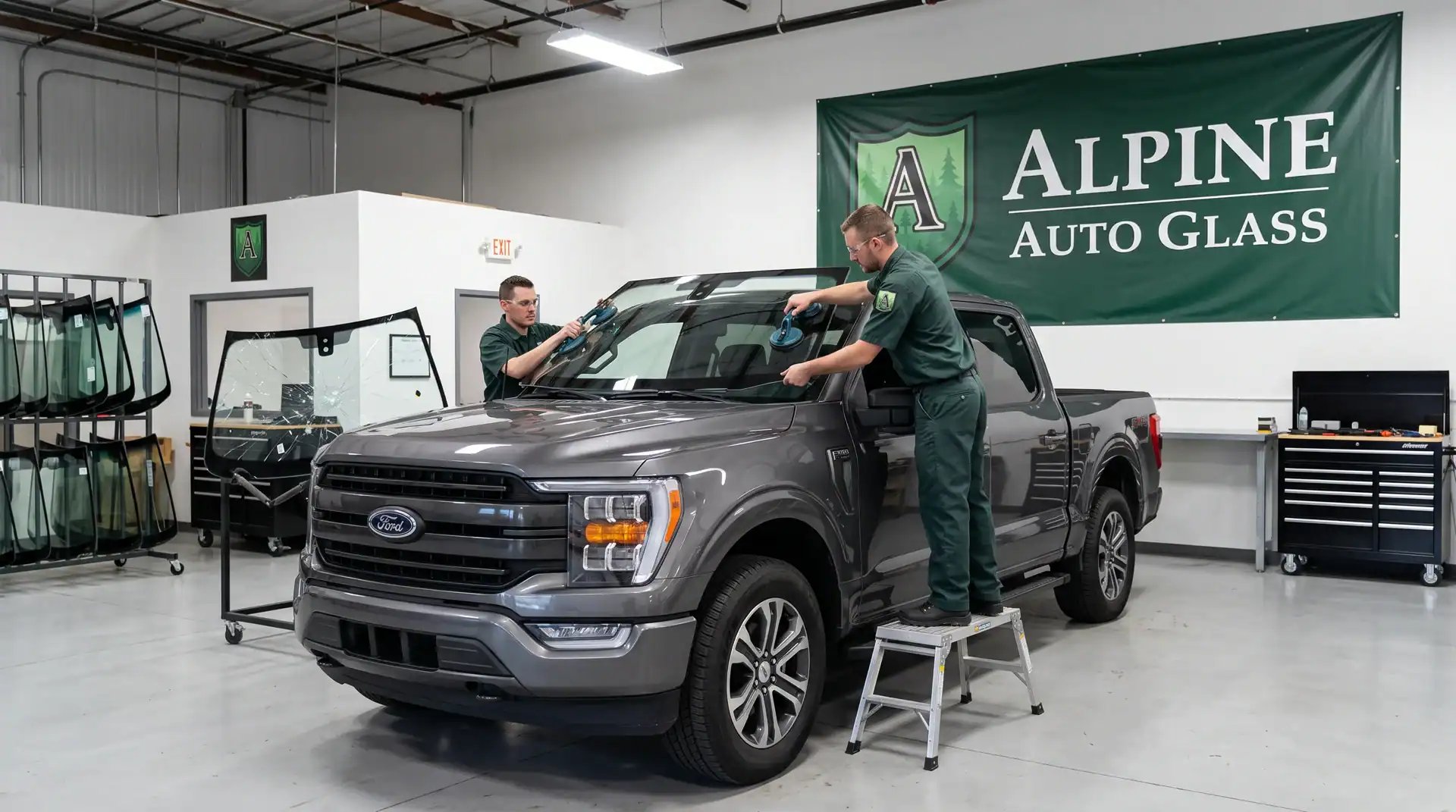
Right around 2018, forward-facing cameras transitioned from luxury upgrades to standard equipment. Lane-keep assist, forward collision warning, and adaptive cruise control all rely on a camera mounted directly to the inside of the windshield. When you pull the old glass out and set the new glass in, that camera’s physical alignment changes.
1mm of variance at the mounting bracket can cause the car’s computer to think the lane is 3 feet to the left. Spokane windshield replacement calibration shouldn’t be an optional upsell. It’s the second half of the normal job. If your shop doesn’t recalibrate the camera to the new glass, your vehicle is functionally still “broken” the moment they hand off the keys.
The Dealership Handoff Trap
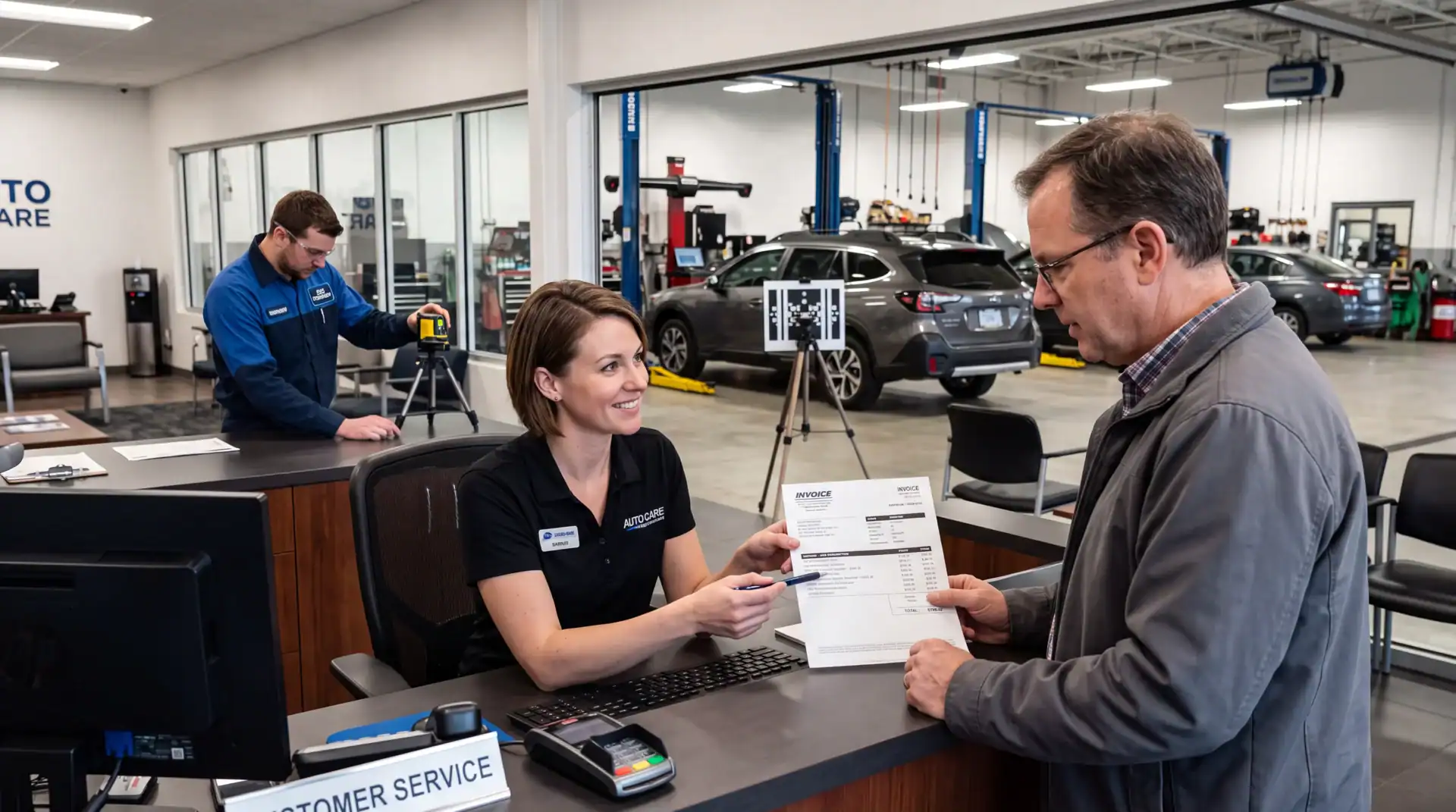
We see versions of this fairly often. A shop quotes an aggressively low price because they are only equipped to swap the physical glass. They finish the install, hand you the bill, and then casually mention you need to call the dealership to get the camera calibrated.
Now you are managing two appointments instead of one.
You pay the independent glass shop on Tuesday, then wait anywhere from ten to fourteen days to get a service bay appointment at the dealer. That is the difference between a cheap quote and a complete job.
The price looked better upfront only because they offloaded the hardest and most technical part of the work onto you.
Fleet Liability And Commercial Downtime
This fragmented process is annoying for individual drivers, but it poses a significant risk for fleet managers. If you put an employee back in a company truck with an uncalibrated forward collision system, you own that liability. When there are fewer margins for error on commercial routes across the Washington and Idaho lines, you cannot rely on a broken repair sequence.
Most independent glass shops in the Inland Northwest do not have the OEM-spec calibration equipment to handle modern fleet vehicles. They do the glass, skip the software, and leave the business owner holding the risk. The best move here is eliminating the handoff entirely by using a provider that handles both stages of the repair.
RV and Heavy Equipment Constraints
The capability gap becomes even more obvious when you start talking about specialty vehicles.
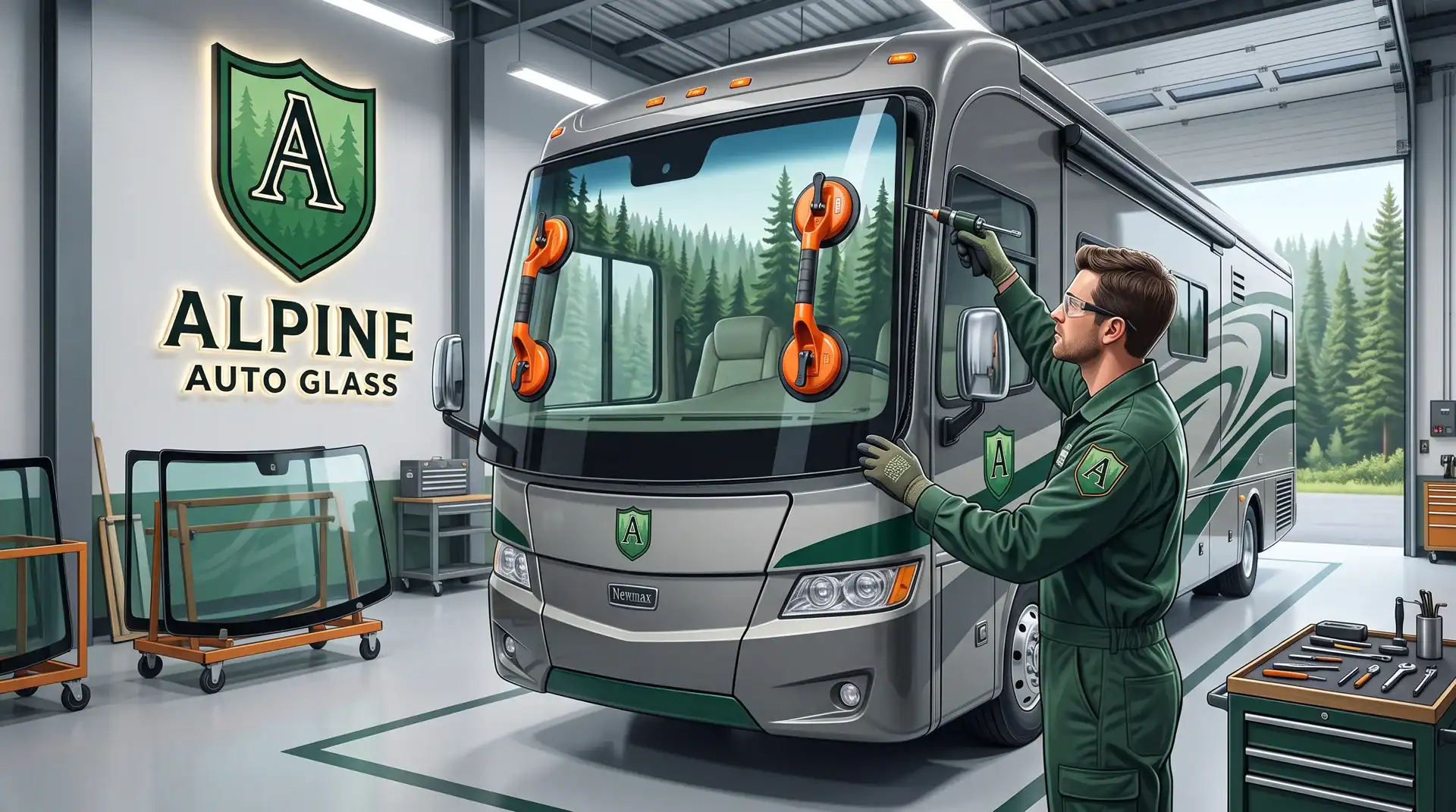
Class A motorhomes and commercial logging trucks have different glass architectures, but the operational downtime cost is the exact same. When a shop tells you they can source a curved, discontinued laminated panel for an RV, but they cannot calibrate the modern lane-departure systems on the tow vehicle, the job is not done.
Most chains will not even touch heavy equipment because it does not fit neatly into their volume-based scheduling models. We track down specialty glass for motorhomes and vintage rigs that other shops turn away, and we handle the software requirements for the modern vehicles towing them.
Insurance Steering And Mobile Markup
Insurance companies know recalibration is required. The problem is how they route the work.
When you file a claim, insurers often read a script pushing you toward massive national chains. These chains frequently route mobile calibration to secondary appointments or completely restrict heavy equipment.
You are not legally required to use the vendor they send you to in Washington or Idaho.
We can verify coverage in under five minutes, handle the electronic filing, and run a zero-markup mobile model. The price is the exact same whether we fix it in our bay or in your driveway.
The Reality Of Aftermarket Glass Standards
Another misconception we see often is that aftermarket glass is inherently unsafe compared to dealer glass. Quality OE-equivalent glass meets the exact same federal safety standards. The brand stamped on the corner matters far less than the installer setting the urethane and calibrating the camera.
A perfectly calibrated aftermarket windshield is vastly safer than an OEM windshield installed without recalibration. We focus on the installation mechanics and the software alignment because that is what actually dictates how the vehicle performs in a collision scenario.
The auto glass industry split into two tiers right around the 2018 model year. There are shops that replace glass, and others that restore modern vehicles.
Start by asking if calibration is done in-house. If the answer is no, keep calling.
Want to ensure windshield calibration is included in the job? Call Alpine today.