Many Spokane drivers find this gap with ADAS calibration the same way.
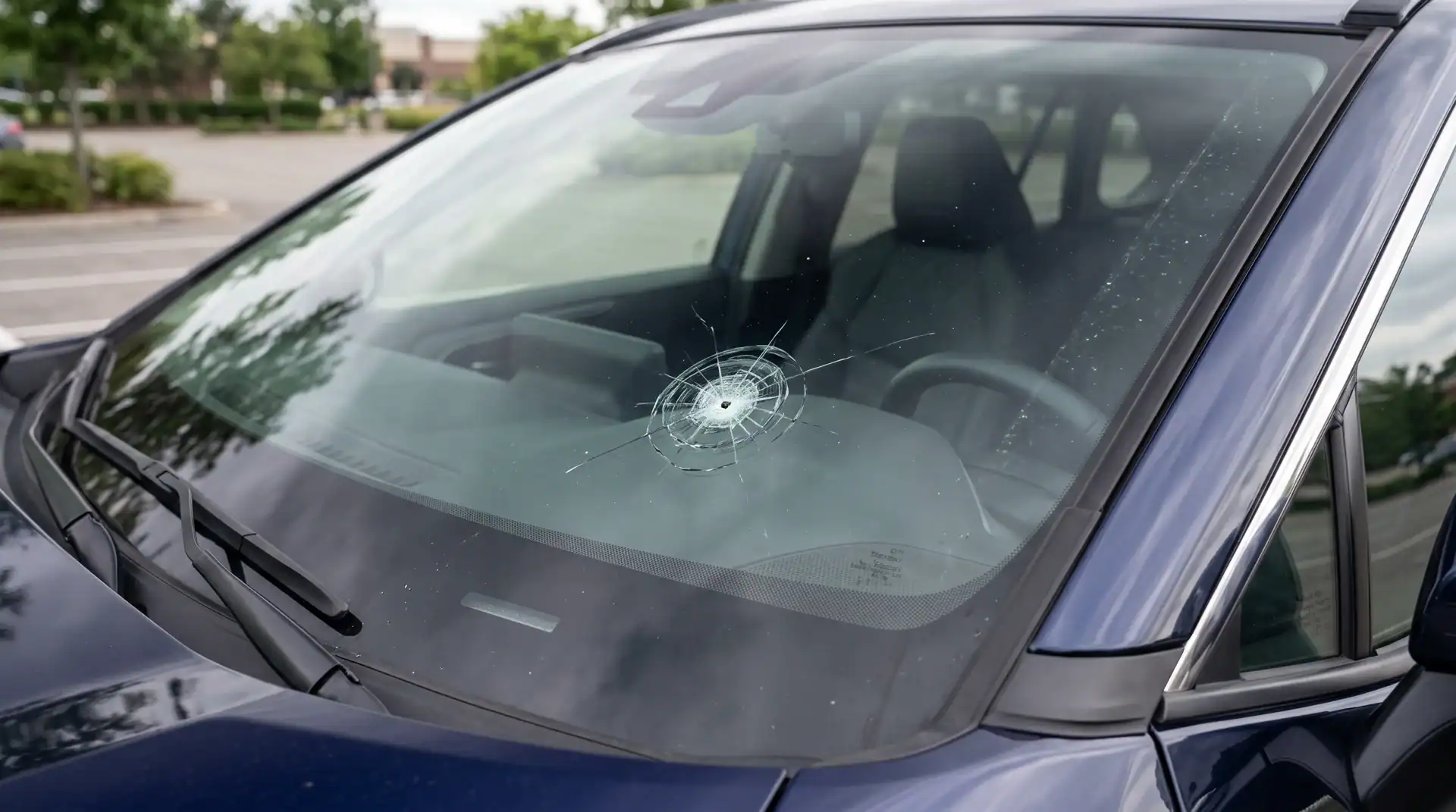
Your windshield gets replaced, insurance pays, and everyone shakes hands.
Then weeks later, during an oil change at your car dealership, the technician mentions that the camera behind that glass was never recalibrated.
The glass was properly installed.
The calibration was never completed, wasn’t billed, and now sits in a strange spot where nobody’s sure who should pay.
The short answer is that insurance usually does cover calibration after windshield replacement. The catch is that it has to be on the claim, and the shop that skipped it already closed the ticket.
Why a New Windshield Moves Your Camera
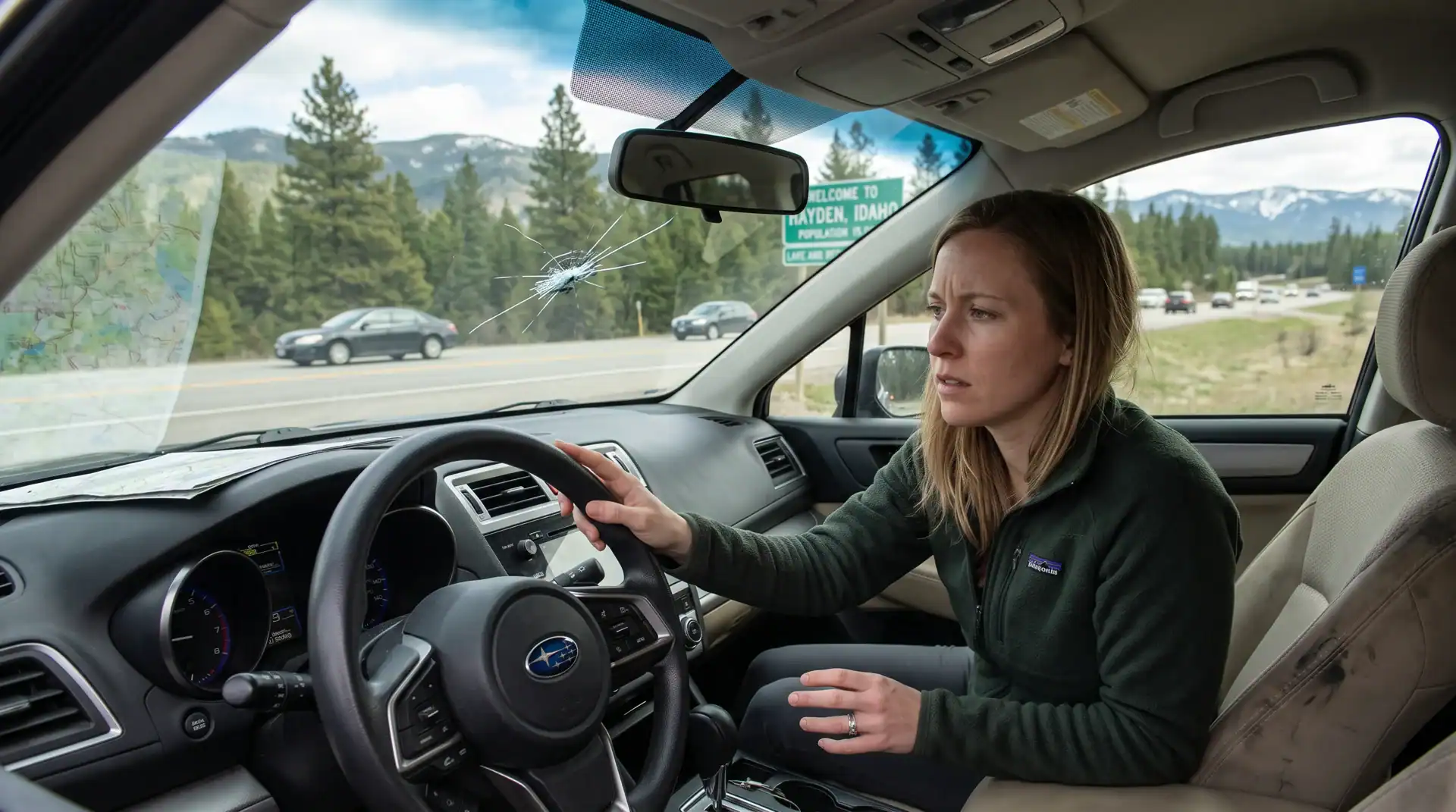
The camera mounted behind your rearview mirror aims through the windshield. Lane-keep assist, adaptive cruise, automatic emergency braking — all of it depends on that camera knowing exactly where straight ahead is, down to fractions of a degree.
Replace glass and the same reference point moves.
New windshield, new bracket seating, a slightly different optical angle.
A small error doesn’t sound like much until you run the distance out to 150 feet, where this becomes several feet of drift.
Your car is now reading lane lines and calculating following distance through a distorted lens.
And the system won’t necessarily throw a warning light. A miscalibrated camera doesn’t announce that it’s wrong. It just quietly watches the wrong patch of road.
The Claim Closes Before the Job Is Actually Finished
Comprehensive glass coverage exists to restore the vehicle to pre-loss condition, and on nearly any post-2018 vehicle with a forward-facing camera, that includes recalibration. Insurers know this. Most pay it without argument — when it appears on the claim.
A glass shop without proper ADAS calibration tools will bill what it can handle, and that usually means glass, urethane, labor.
The insurer pays what was billed, the claim closes, and everyone involved considers the job finished.
Nobody denied your calibration. It just never got submitted.
The coverage existed the whole time. The line item didn’t.
Does Insurance Pay for Calibration After Windshield Replacement?
Yes, in nearly every case — because it’s part of the same repair, on the same claim, under the same deductible. In Washington and Idaho, drivers carrying full glass coverage often see the entire job land at $0 out of pocket, ADAS calibration included.
Pay for it standalone and the math changes. Dealerships commonly charge $150 to $400 or more for a calibration on its own, and a driver whose glass claim already closed frequently ends up paying cash for something the policy would have covered. Same camera, same procedure, very different bill — purely because of when and how it was submitted.
Your Glass Is Done and the Camera Was Never Checked
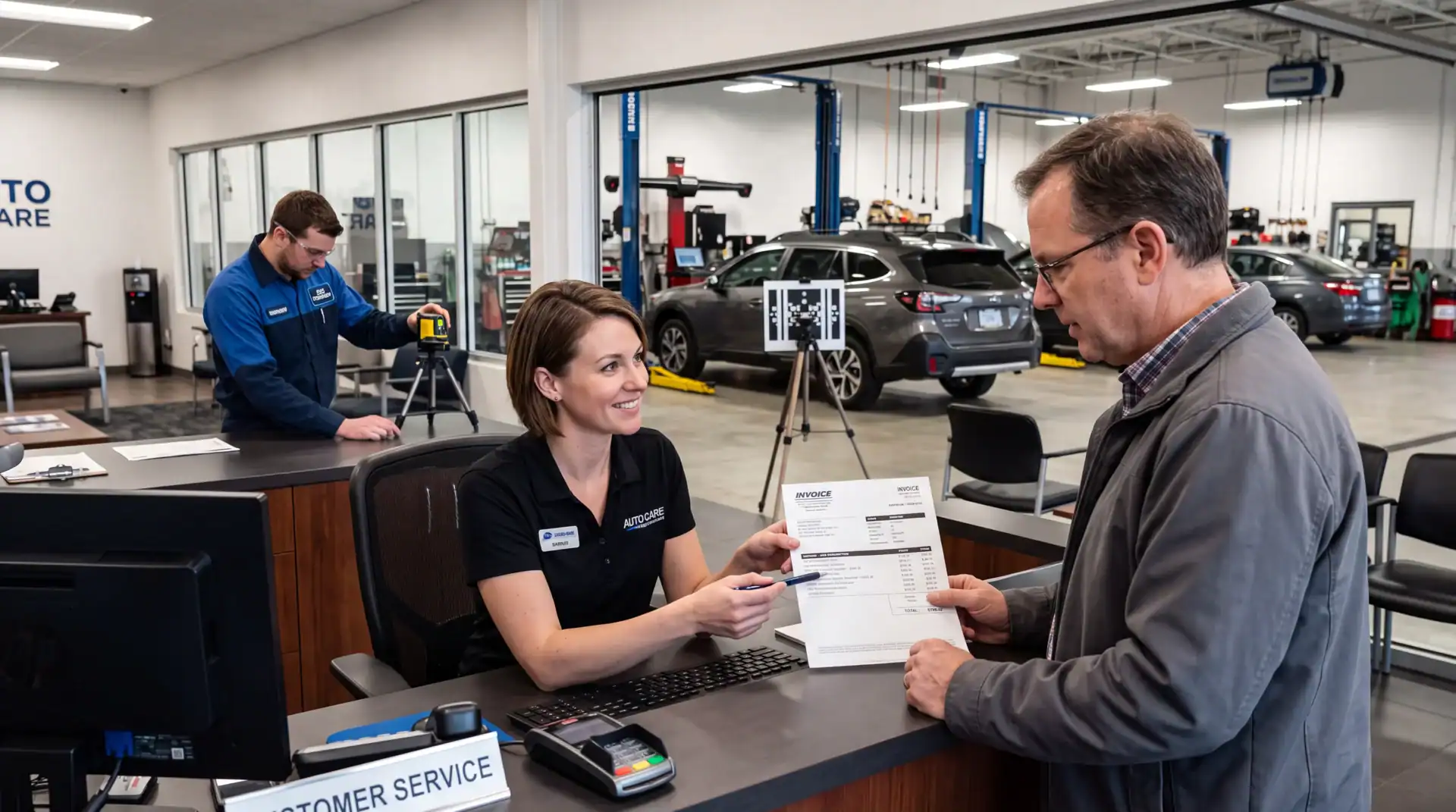
Pull your invoice. We’ve read a lot of glass paperwork, and the calibration line is the first thing we look for — it’ll say calibration, recalibration, or ADAS somewhere in the line items. Shops that calibrate document it, because the printout showing the camera passed to spec is the proof. If it’s not there, it wasn’t done.
The claim can usually be supplemented. ADAS Calibration is a legitimate part of the original loss, and insurers process these additions routinely when a shop files them correctly.
One more piece drivers don’t always know: Washington and Idaho both let you choose your shop. The insurer’s preferred-network script is a suggestion, not a law, and you’re under no obligation to go back to the shop that skipped the camera in the first place.
Why the Shop That Replaced Your Glass Never Offered It
Usually capability, not dishonesty.
Static calibration requires a level shop floor, manufacturer-spec targets, and equipment that costs more than some small shops earn in a month. Many mobile-only outfits can handle the glass, but many vehicles require a static calibration that physically can’t happen in your driveway.
Chains often book it as a second appointment — sometimes weeks out — and a fair number of drivers never make that second trip.
The trail usually leads back to a windshield replaced months earlier by someone who did clean glass work but simply didn’t have the ADAS calibration equipment you needed.
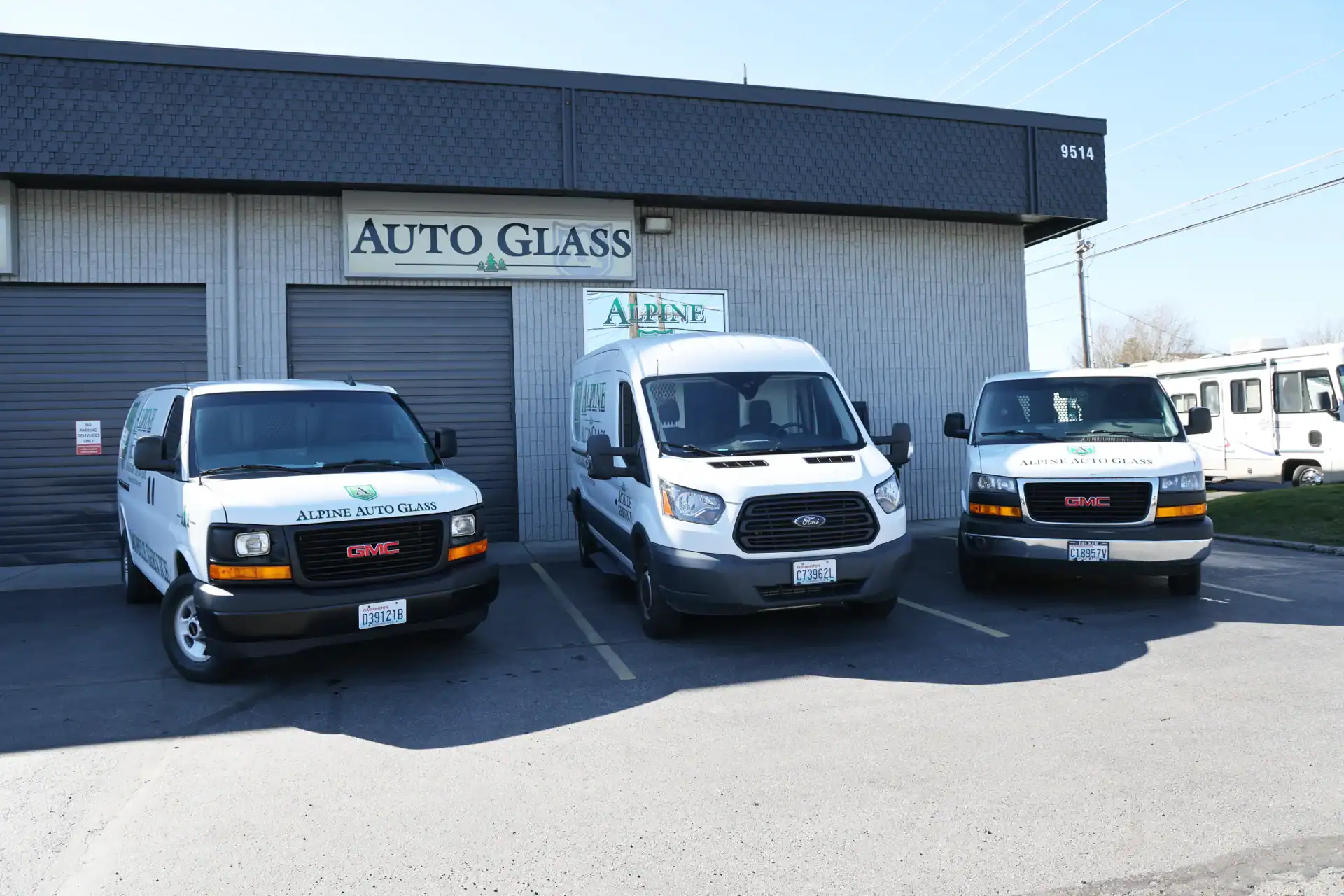
Alpine Puts Both on a Single Claim
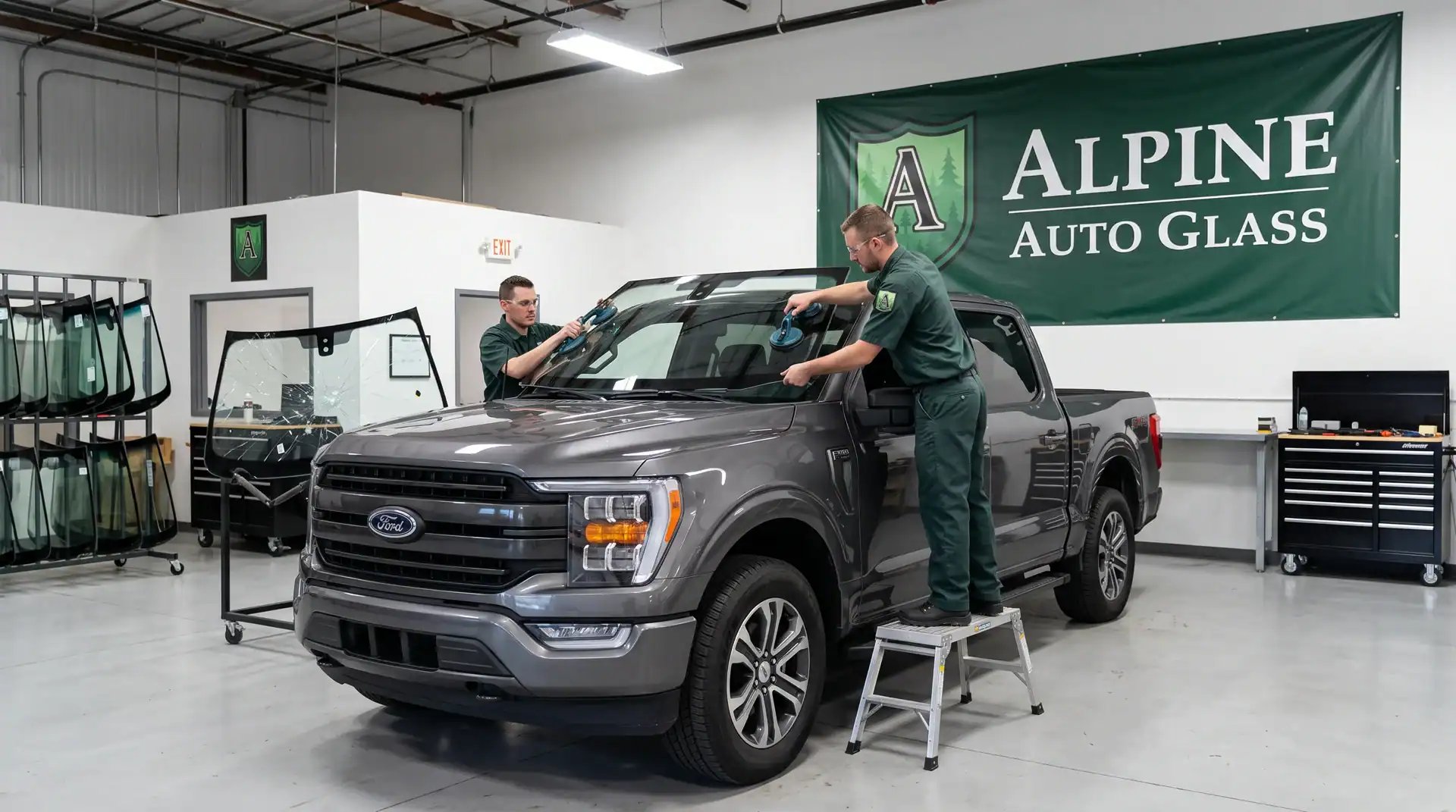
If your rig has cameras, ADAS is part of the normal process at Alpine.
No upsell, no second appointment.
Most installs run 60 to 90 minutes, same-day service is standard for calls before 2 PM, and the lifetime workmanship warranty covers the install.
The direct billing is the part that actually closes this gap. We verify your coverage in under five minutes, file electronically, and get the ADAS calibration onto the claim before it closes — which is the entire difference between covered and covered-but-you-paid-for-it.
If your shop already skipped the step, we handle that too (supplements to an existing glass claim are routine paperwork for us). You bring the vehicle. We handle the insurer.
Replaced your windshield in the last year? Take two minutes and check the invoice for a ADAS calibration line. If it’s not there, call Alpine — we’ll verify what your policy covers in about five minutes and get the camera checked properly.