As soon as you start to search for a windshield crack repair, somewhere on page one you’ll find a Reddit thread telling you to grab a resin kit before the crack spreads. That advice is half right, which is the dangerous kind of right.
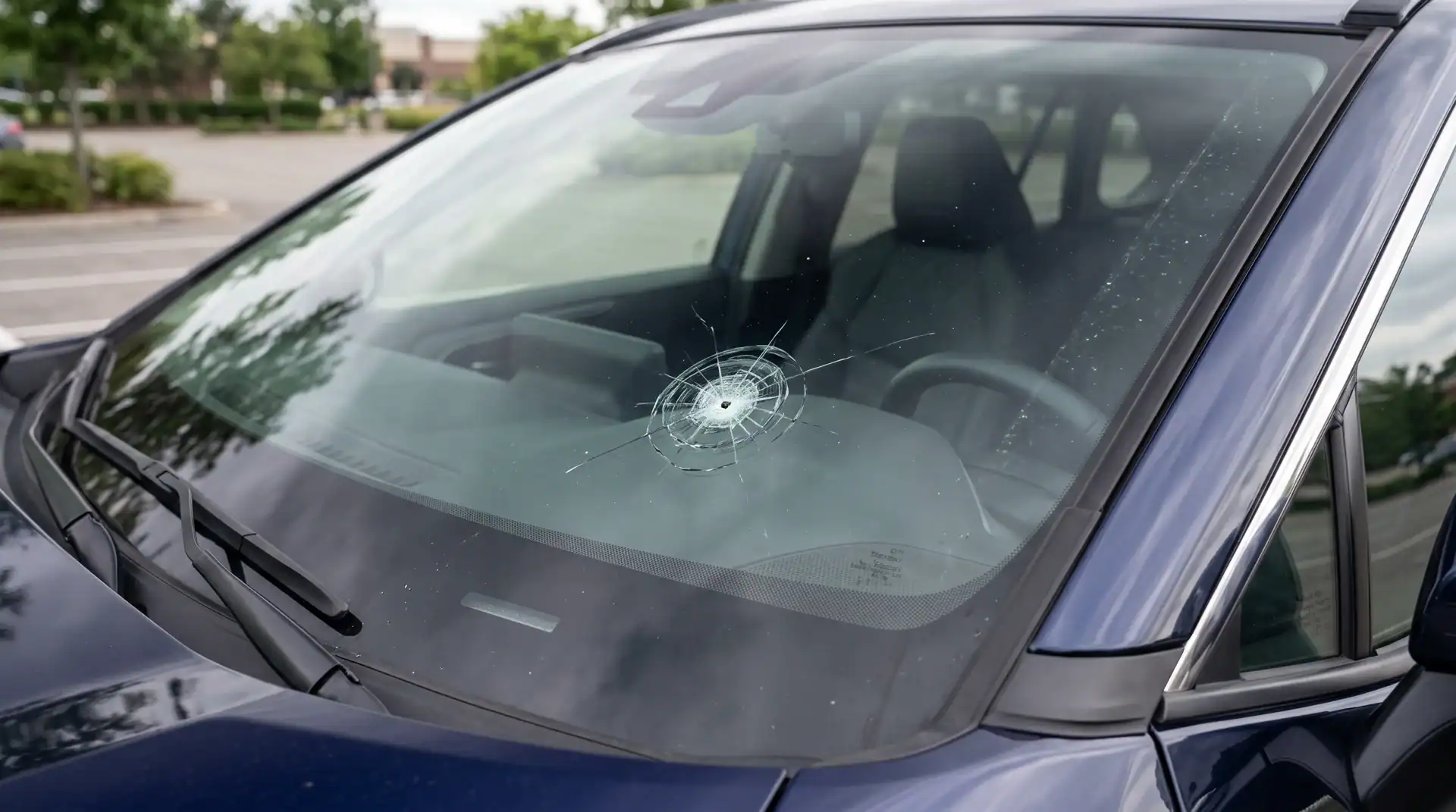
Resin kits genuinely fix chips. But a crack that’s already running is a different failure happening in a different layer of the glass, and resin injected at the surface never reaches it.
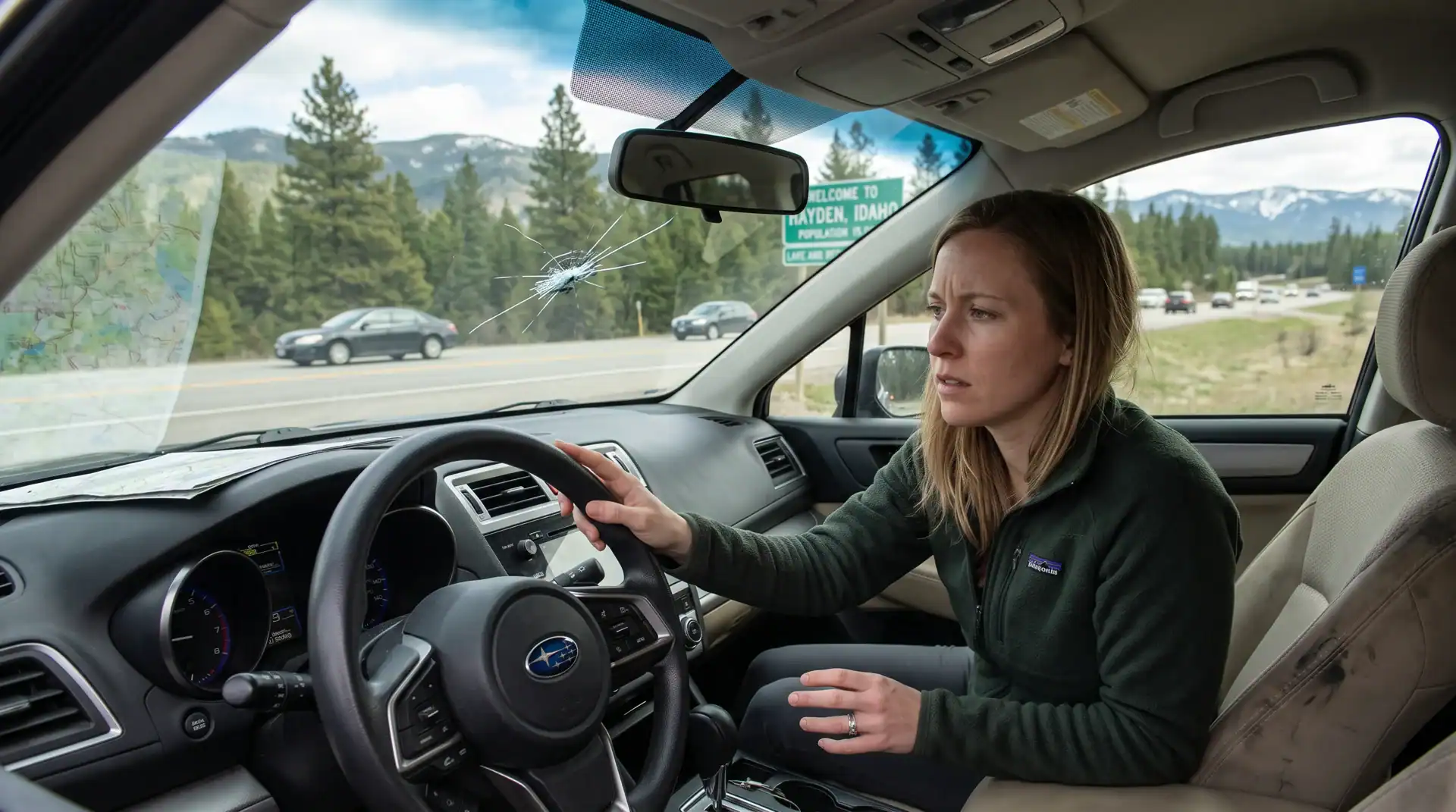
If you’re driving around Spokane with a line creeping across your windshield, that distinction is the difference between a 30-minute repair and a full replacement — and a failed kit attempt can take the cheaper option off the table permanently.
What a $12 Resin Kit Can Do for Your Windshield
The process for a $12 kit is close to the same one professional shops use.
Low-viscosity resin gets pushed into the impact point, fills the crushed glass, and cures under UV light. The break seals, the stress dissipates, and the chip stops growing.
That works when the damage is contained — a chip smaller than a quarter, a star break with short legs, caught before dirt and moisture settle in. Shops use better resin, a proper injection bridge, and vacuum cycles that pull air out before pushing resin in, which is why professional repairs hold at a higher rate. But I have no argument with the kits on chips. That’s what they’re built for.
The Damage a Running Crack Leaves in the Laminate
Your windshield isn’t a single pane. It’s two sheets of glass bonded to a plastic interlayer — PVB — which is why it cracks in lines instead of shattering into your lap. That laminated construction is federally regulated safety equipment, not just a window.
A chip is essentially crushed glass at the surface. A running crack is the outer glass sheet fracturing along its bond with the interlayer, with all the stress concentrated at the crack tip.
The tip is where the damage lives, and it keeps advancing every time the glass flexes or the temperature swings.
Surface resin fills the pit, but does not travel eight inches down a hairline channel and rebond glass to plastic along the way. Once the crack has run, that separation is already done, and nothing in a syringe reverses it.
Why Six Inches Is the Line Shops Won’t Cross
The industry threshold is roughly six inches — about the length of a dollar bill (that’s the actual test technicians use). Under that, a shop can drill the crack tip to relieve stress and inject resin down the channel while it’s still short enough to fill completely.
Beyond six inches, the crack has too much stored stress and too much contaminated surface area. Repairs don’t hold, so reputable shops don’t sell them.
Cracks that reach the edge of your glass are their own category. The edge is where the windshield carries structural load, and an edge crack compromises it regardless of length. That one’s a replacement conversation no matter what the kit packaging promises.
Spokane Weather Keeps the Crack Moving
Have you ever seen a crack grow as soon as the car’s defroster started warming the glass?
Spokane hands you this experiment every winter morning. Frost on the outside, hot air on the inside, a 40-degree gradient across a piece of glass that’s already fractured — the crack walks, sometimes an inch at a time.
A chip that would’ve been repairable in October can be a full replacement by January.
The freeze-thaw cycle makes that decision for you.
How a Failed Kit Turns a Covered Repair Into a Replacement
Kit resin cures hard. If it cures inside a break without filling it completely (which is common without vacuum equipment), a shop can’t drill it out or re-inject around it. The repair path is closed. What’s left is replacement.
Most comprehensive insurance policies will treat your chip repair as a glass claim, and carriers routinely waive the deductible on repairs because a small repair now saves them a replacement claim later.
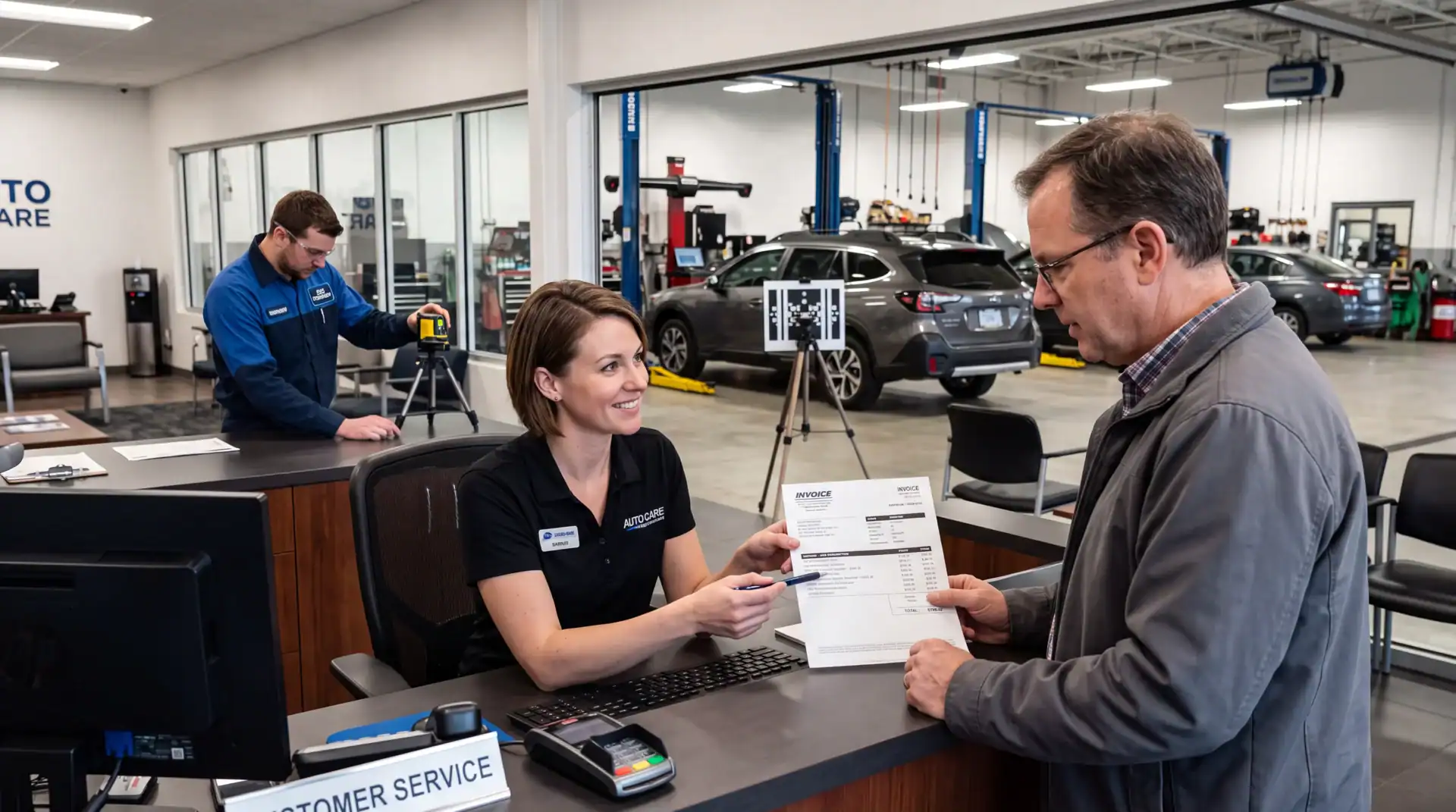
Alpine verifies coverage in under five minutes and bills the carrier directly, so for many insured drivers the professional repair costs nothing out of pocket.
That also means that the $12 kit isn’t competing against an expensive shop visit. It’s competing against a repair your insurer would likely have covered — and if the kit fails, it takes that option with it. That’s an expensive way to save twelve dollars.
What Replacement Involves on Anything Built After 2018
Your vehicle’s windshield is a component that backstops the passenger airbag and contributes to roof-crush resistance under federal safety standards. That means the urethane is critical, and it needs real cure time before the vehicle is safe to drive.
Any installer quoting a ten-minute drive-away is skipping something.
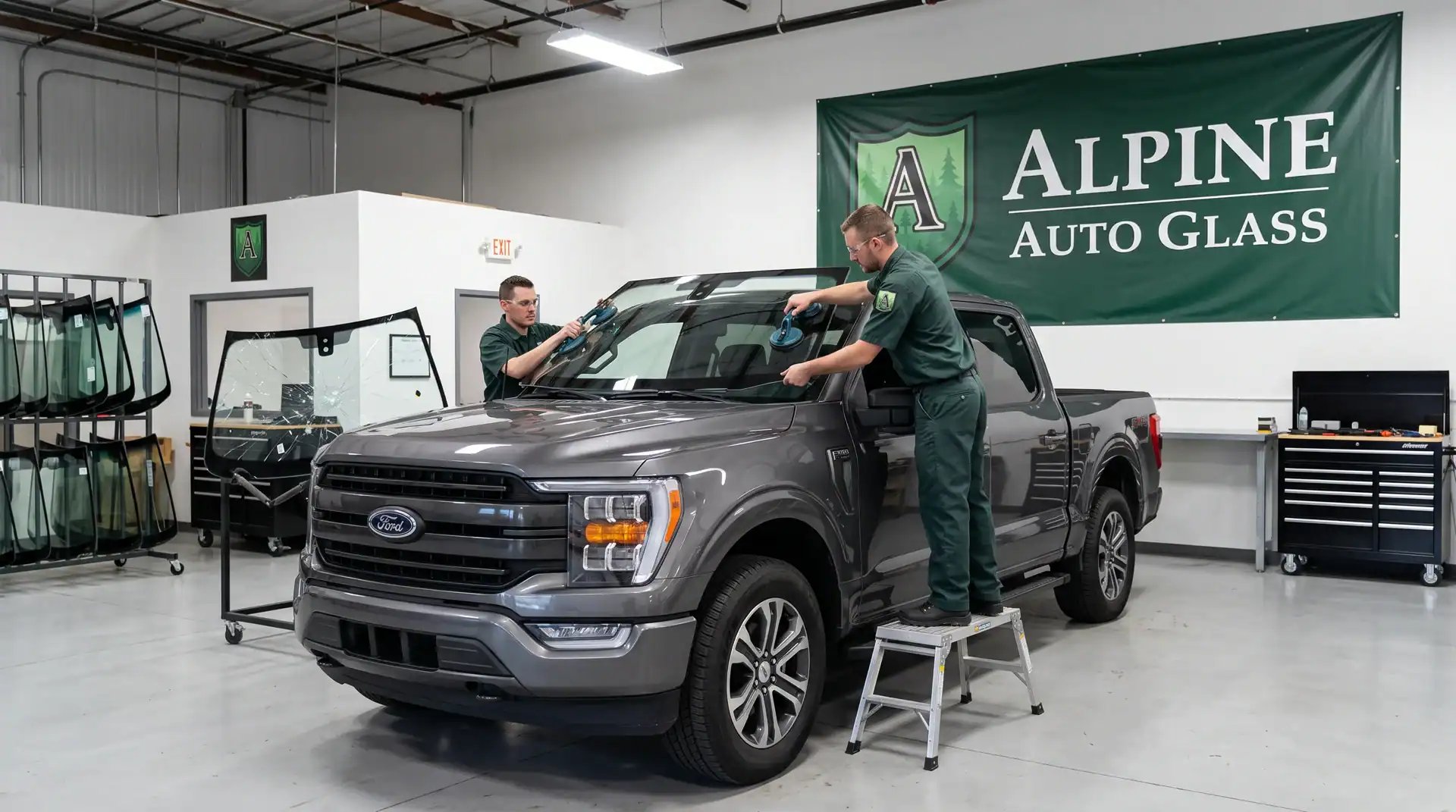
And if your vehicle was built after roughly 2018, there’s a forward-facing camera behind that glass running lane-keep assist and automatic emergency braking. Replace the windshield and the camera’s aim shifts. It needs recalibration to OEM spec — not optional, not an upsell. Plenty of shops in the Inland Northwest outsource that step or skip it entirely. Alpine does it in-house as part of the install.
What to Do With the Crack Before the Next Frost
If the crack is shorter than a dollar bill, hasn’t reached the edge, and nobody’s injected anything into it — you probably still have the repair option. It’s a 30-minute job, often done in your driveway, and mobile service costs the same as coming into the shop.
If it’s a fresh chip, put clear packing tape over it to keep moisture and dirt out, and skip the kit. I’d rather see clean, untouched damage than a half-cured DIY attempt every time.
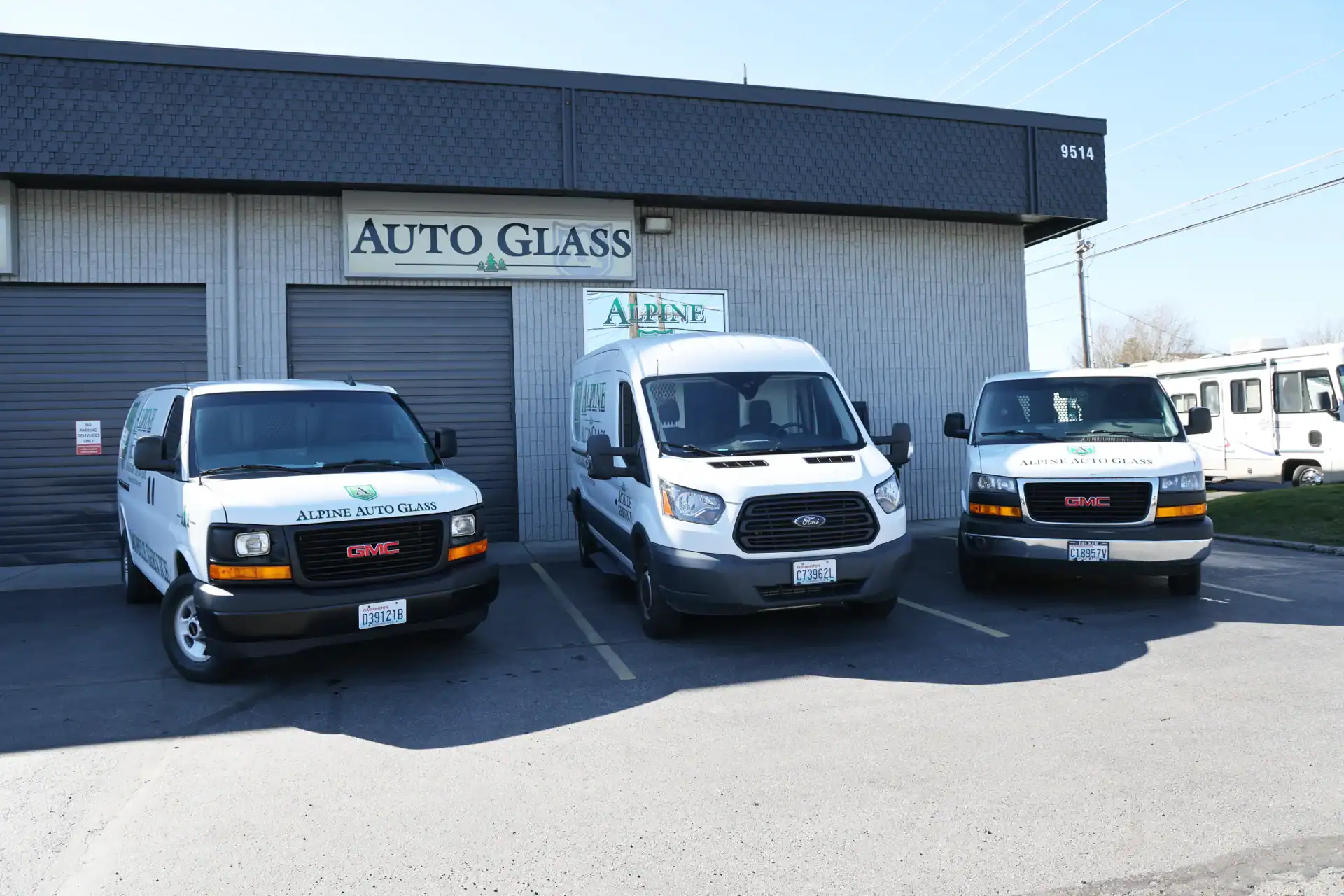
Alpine Auto Glass runs same-day mobile service across Spokane for calls before 2 PM. Measure the crack, make the call, and let the glass tell you which conversation you’re having.
TIP: Grab a dollar bill and hold it against the crack. Shorter than the bill? Call Alpine before the next hard frost — same-day mobile repair, insurance verified in under five minutes.
If your chip truly is small and doesn’t require a professional, you might want to look into options like the Permatex Windshield Repair Kit, the Rain-X Windshield Repair Kit, or the J-B Weld Windshield Saver.