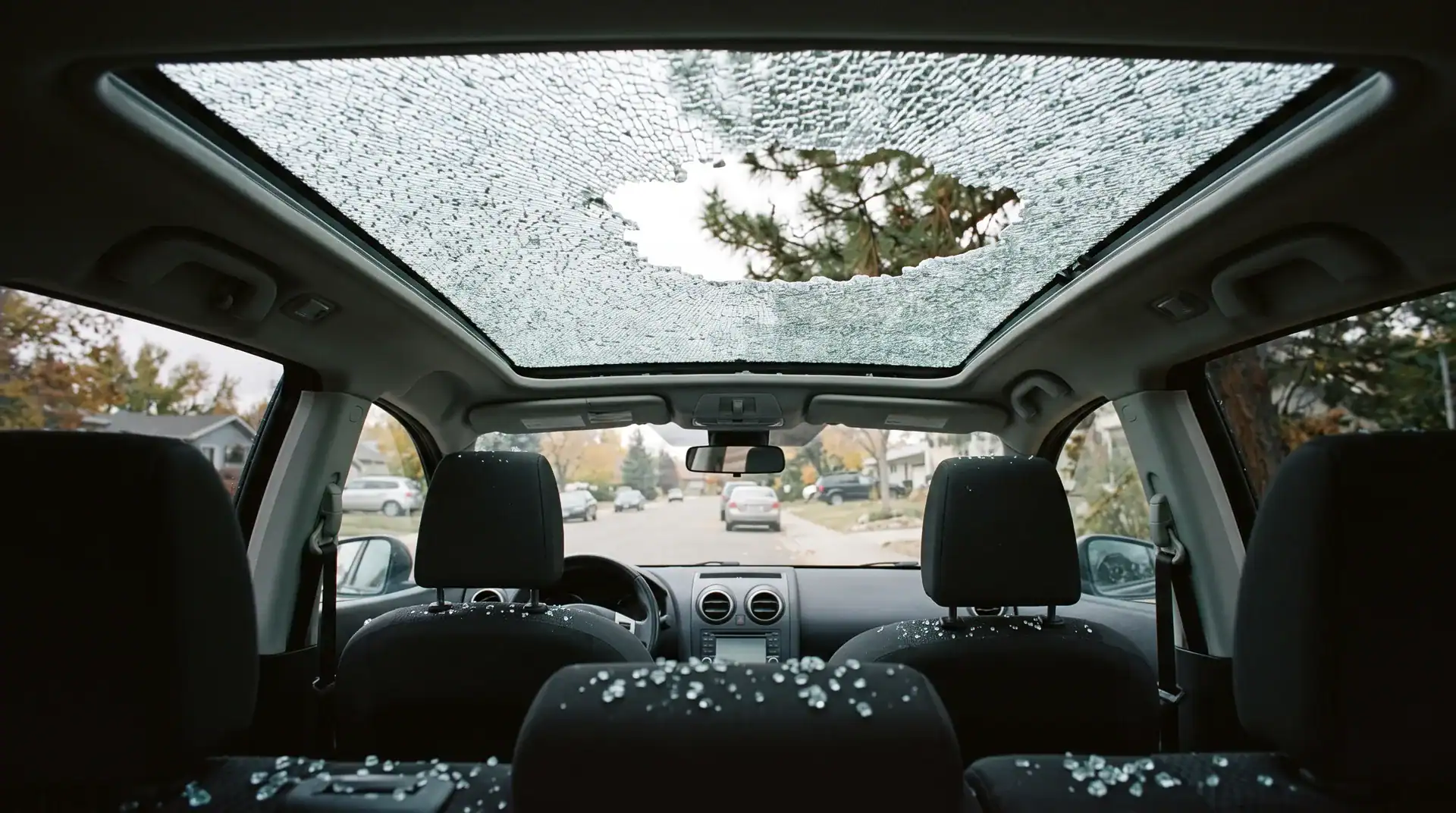
When a sunroof gives way, the bang is loud enough to sound like a gunshot just over your head. You look up and see the shade covered in small pebbles of glass, and it’s natural to assume someone threw something at the car, whether that was a kid on an overpass, a rock kicked off a gravel truck, or a neighbor holding a grudge. In most cases, no one did. Tempered glass holds stored energy of its own, and once you understand where that energy comes from, you can put the doorbell footage aside and start working out what to do with the car this afternoon.
Tempered Glass Is Built to Hold Tension
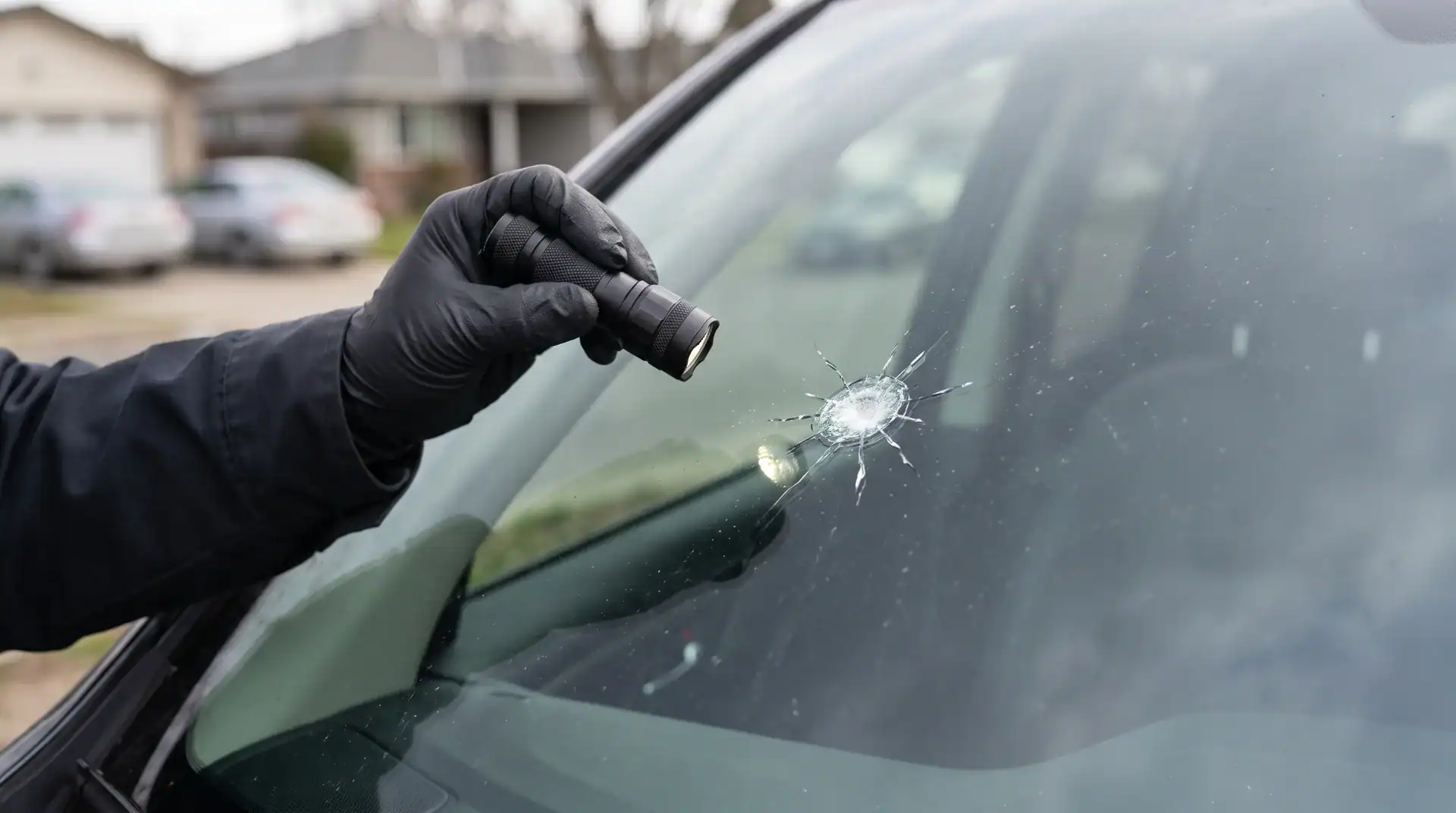
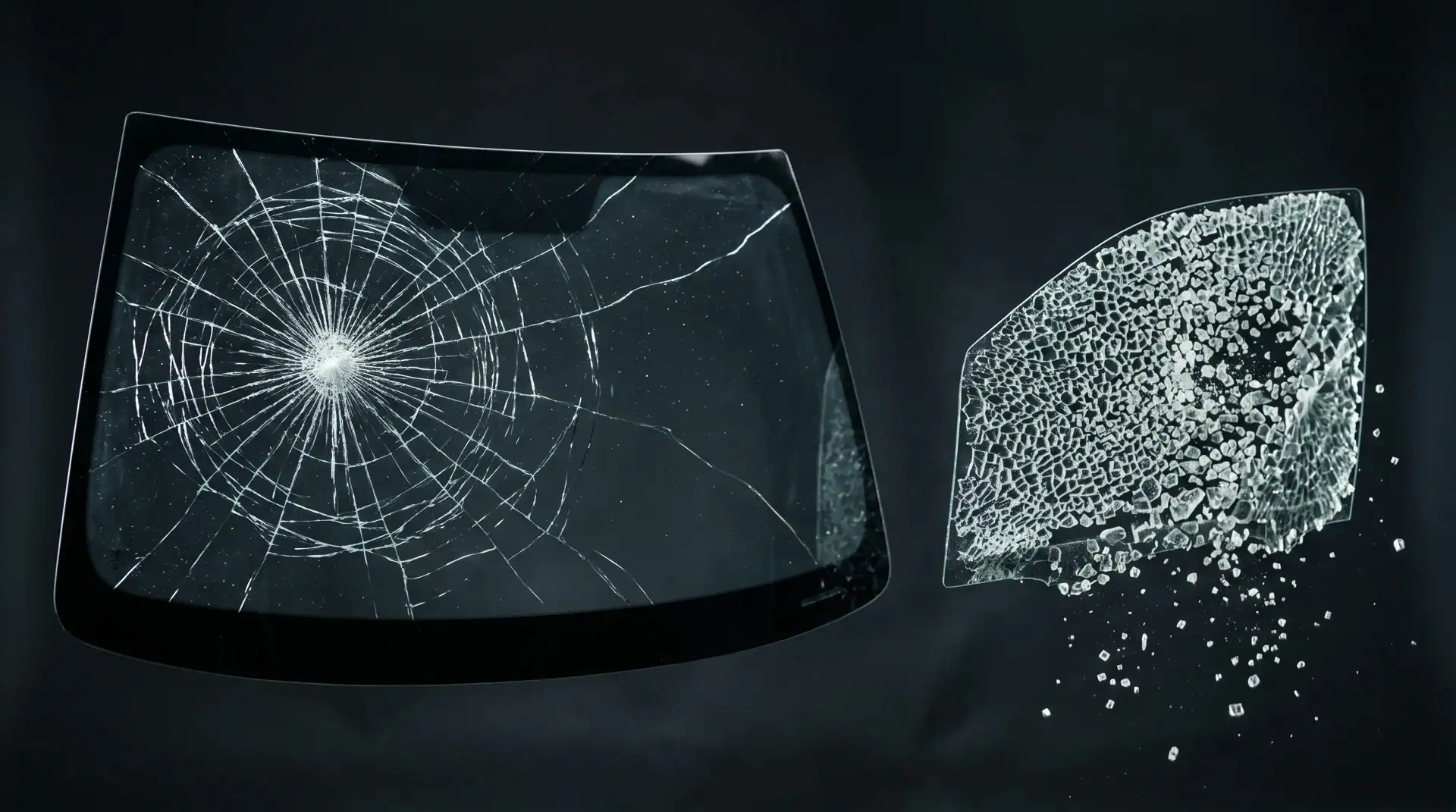
Most sunroof panels are tempered glass, which is made differently from your windshield. The windshield is laminated, with two layers bonded around a plastic interlayer, which is why a rock leaves a chip instead of a hole.
Tempering is a heat process. As SK&A’s engineers explain, the glass is rapidly cooled during tempering, which locks the surface into compression and the core into tension. The outer skin is squeezed tight while the middle pulls against it. That balance makes the surface hard to break, because a scratch or light hit has to get through the compression layer first.
It’s also why the failure is total. Once something reaches the core, the stored tension releases across the whole panel in a fraction of a second, and the glass breaks into small chunks instead of long shards. A tempered sunroof doesn’t crack a little. It’s either whole or gone.
What Lets the Tension Go With Nothing Touching It
If the surface is in compression and nothing hit it, what broke it? There are two usual answers.
The first is an inclusion: a microscopic particle trapped inside the glass when it was made. Nickel sulfide is the well-documented example. It’s too small to see and does no harm in ordinary glass. In a tempered panel, though, a particle sitting in the tension zone at the core can slowly change size after manufacturing until it starts a fracture right where the panel is least able to resist one. That can happen months or years later, in a parked car on a quiet street.
The second cause is edge or surface damage, and it deserves more of your attention. Giroux Glass, a commercial glazing contractor, says damage to a glass edge or surface is more likely than a nickel sulfide inclusion. Giroux works on building glass, but a tempered panel follows the same physics whether it sits in a storefront or a roof.
The edges are the weak spot. A chip from being set down on concrete, a nick from a pry tool, or a corner pressing against a frame it doesn’t quite fit can open a path to the core. The panel can hold for weeks with that damage hidden under the trim. Then a cold morning, a hot afternoon, or a pothole on Sprague adds just enough stress, and the flaw does the rest.
Stop Looking for Someone to Blame
So the guy with the rock probably doesn’t exist, and every hour you spend pulling camera footage is an hour the car sits with a hole in the roof.
It isn’t on you either. Shutting a door or hitting a bump may have been the last nudge, but the flaw was already in the glass or at its edge. What actually matters now is what you do before the replacement shows up.
The First Hour After the Bang
Before you clean up or move anything, get out your phone and photograph the roof from the outside, the interior, and the glass lying on the seats. Once the mess is gone, those pictures can’t be taken again, and your carrier may want to see them.
Then work in this order:
- Slide the interior shade closed by hand if it moves freely, so loose glass stays out of the cabin.
- Wear work gloves and clear the remaining pieces from the frame, working from outside the car.
- Cover the opening with heavy plastic sheeting and painter’s tape (duct tape can pull clear coat when it comes off).
- Shop-vac the seats, floor, seat tracks, and cup holders, then do it a second time.
- Leave the sunroof switch alone until a tech has cleared the track.
The switch is the step people most often ignore. Small bits of glass tend to end up in the sunroof track, in the drain channels, and in the gap around the headliner. If the motor runs while there is glass sitting in the track, it can grind up the mechanism that the new panel will depend on. Glass in the drains does its damage more slowly, since a drain that’s blocked will send rainwater into the headliner, sometimes weeks after the roof appears to have been fixed.
Can You Drive It Until the Glass Is Replaced?
Short trips with the opening covered are reasonable. Sunroof glass doesn’t do the structural job your windshield does, so the risk is weather and debris getting in.
Plastic sheeting fails at highway speeds. It flaps, the tape lifts, and you’re back to an open roof. In a Spokane winter, that means snowmelt in the headliner. In August, it means dust and smoke in the cabin. If the car has real distance to cover, have the glass brought to the car instead. For a fleet unit, a covered roof is enough to get the vehicle back to the yard, and that’s about all it should be asked to do.
Why the Install Changes the Odds of a Repeat
No installer can promise that a tempered panel will never break. An inclusion is already inside the glass when it arrives, and nobody can see it. What the installer can control is the more likely cause: damage at the edge or surface. That’s where install quality matters.
A new panel can pick up an edge chip anywhere between the distributor and your roof. It can rattle around in a truck bed, get set down on a corner, or get levered into place. A panel that sits out of square, or that gets clamped hard against a bracket at one point, carries extra stress right where it’s weakest. None of that shows on day one. It shows up later as another bang with nobody around.
Glass quality is part of the same question. Alpine installs OE-equivalent glass, and quality OE-equivalent glass meets the same FMVSS standards as the dealer part. The brand and the installer matter more than the logo in the corner.
Getting the Roof Closed Without Losing a Week
Alpine replaces sunroof glass either on a mobile call or in the shop. Mobile service carries no mileage fees or convenience charges inside the service area, so the tech comes to your driveway or fleet yard and the car never has to drive anywhere with plastic on the roof.
On the insurance side, GEICO’s claims guide notes that broken glass is generally handled under comprehensive physical damage coverage, which is usually subject to a deductible. So the first number to know is your comprehensive deductible, since it decides whether a claim makes sense against the replacement cost. Alpine verifies coverage in under five minutes, files electronically and bills the carrier directly, so you aren’t paying the full bill up front and waiting on a check. Your policy decides what the carrier pays.
Washington and Idaho also let you pick the shop yourself. A claims line that points you toward a national chain is following a sales script, and you’re free to tell them you want Alpine to do the work.
From here, most of what happens is up to you. You can photograph the damage, tape plastic over the opening, and avoid using the sunroof switch; when the time comes, you can choose an installer who is careful with the edges of the new panel, because edge damage is the one piece of breakage risk anyone can influence. The old panel failed because of something in the glass itself, which means there’s no one to track down or anything to investigate.
Alpine can help if your sunroof shattered today. If you call with an emergency before 2 PM, you’ll get same-day service, with the tech coming to your driveway or yard and no mileage fee. Alpine bills your carrier directly, and every install is covered by a lifetime workmanship warranty.